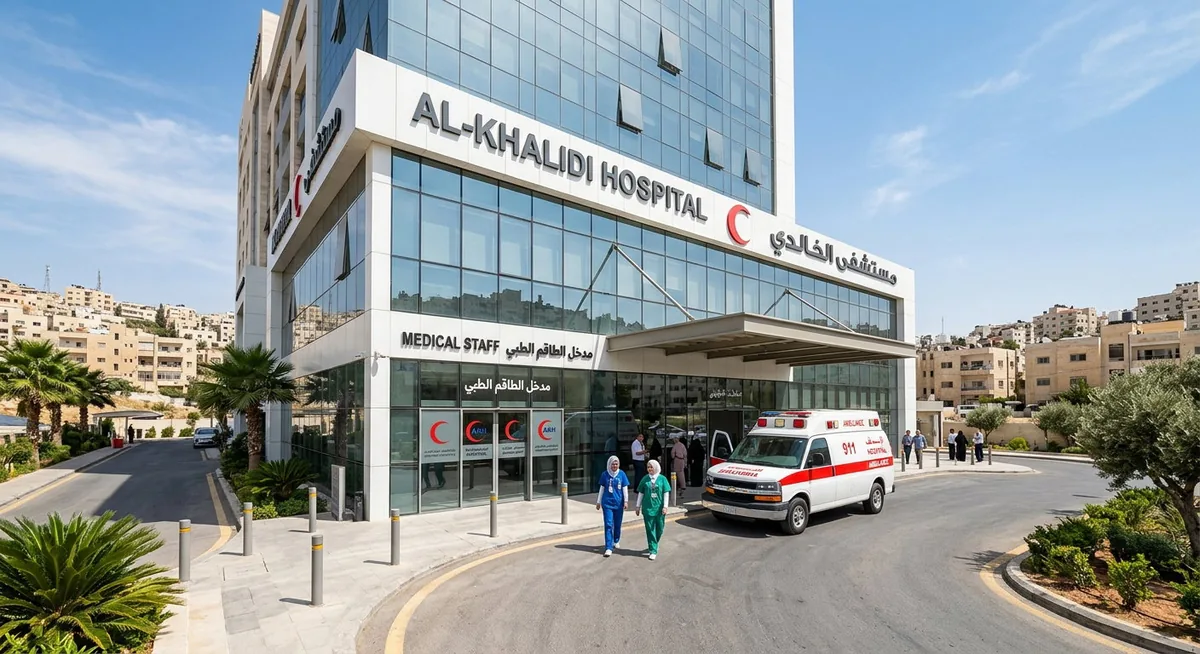
Jordan has one of the most advanced healthcare systems in the Middle East and is a leading destination for medical tourism in the region. The healthcare system is a mix of public and private providers: the Ministry of Health runs a network of hospitals and clinics, the Royal Medical Services serve the armed forces and their families, and private hospitals in Amman are modern and internationally accredited.
The country is especially known for cardiology, oncology, fertility treatment and organ transplantation; the King Hussein Cancer Center in Amman is one of the most respected cancer hospitals in the region. Many Jordanian doctors and nurses are trained abroad and speak English, which makes the country attractive to patients from across the Arab world.
Jordanians enjoy a relatively high life expectancy of about 75 years, and the government provides public health services through the Civil Health Insurance scheme. Private health insurance is available and widely used. The sector faces pressures from a growing population and the high cost of advanced care, but health spending has risen steadily, and the country continues to invest in medical education, technology and hospital capacity.